Wax warmers: setting one up and running it safely

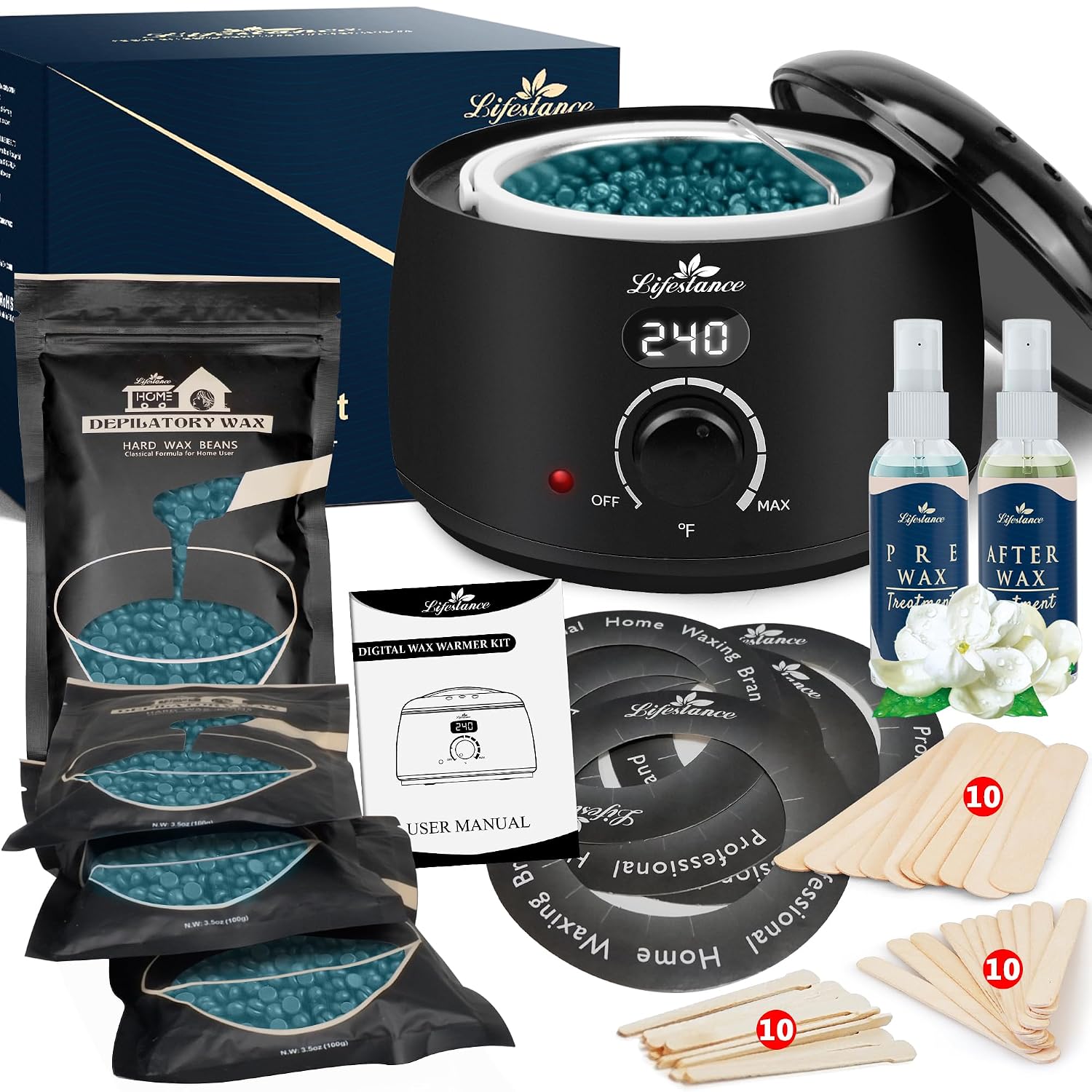
Most equipment in a treatment room is inert. A wax warmer is not: it holds a substantial volume of material at working temperature for hours at a time, and it is the item where setup habits matter most for safety rather than for convenience.
Digital temperature control is worth having
A dial-only warmer gives you a position rather than a temperature, so consistency depends on your memory of where the dial was. Digital control with a display sets a number and holds it, which matters when different waxes have different working ranges.
It also makes a problem visible. A pot that is not reaching its set temperature is telling you something a dial never would.
Capacity and how full to run it
Capacity is stated in ounces or pounds and refers to the pot volume. Running a pot near full takes much longer to reach temperature and is more likely to be knocked over; running it very low means frequent topping up and uneven heating.
Somewhere around two thirds is the practical operating level for most warmers, and topping up with solid beads before the level gets low keeps the temperature stable.
Melt time and planning around it
Hard wax beads take a meaningful time to melt from cold — typically twenty to forty minutes depending on volume and the warmer. That has to be in the schedule rather than discovered before a first appointment.
Topping up mid-session with cold beads drops the pot temperature. Adding a small quantity at a time and allowing it to catch up is better than a large top-up between two clients.
Testing temperature before every client
The display tells you the pot temperature, not the temperature of the wax on a spatula. Testing on your own wrist before application is the step that should never be skipped, regardless of what the display says.
Wax at the edge of a pot is hotter than wax at the centre in many warmers. Stirring before testing gives you a truer reading.
Placement and cable management
A wax pot belongs on a stable surface at working height, away from the edge, with the cable routed where nobody walks. Almost every wax burn incident involves a pot being knocked or a cable being caught.
It should never be on the same trolley as anything that gets moved quickly during a treatment.
Cleaning the pot
The practical method is to warm the residue until soft, then wipe it out with a paper towel and a little oil, which lifts wax that solvent cleaners struggle with. Do this while warm rather than letting it set hard.
A removable insert makes this considerably easier and is worth having. Scraping a fixed pot with anything metal damages the surface and creates places for residue to lodge.
Never leave it unattended on
A warmer left on overnight or through a lunch break is both a fire risk and a way of degrading the wax. Switching off between clients is unnecessary and switching off when leaving the room for any length of time is not.
Some units have an auto-off; treat it as a backstop rather than a plan, because it is the feature most likely to fail quietly.
Wax beads and matching them to the pot
Hard wax beads and soft strip wax have different working temperatures and different pot requirements. Using a wax outside the range your warmer holds gives poor results and can scorch it.
Where a warmer is sold as a kit with beads, those are matched. If you change wax type, check the working range against what the unit can hold.
Spatulas and cross-contamination
No double-dipping, ever. A fresh spatula per dip is the standard and it is not negotiable in a professional setting. This is a hygiene practice rather than a preference.
Stock spatulas in the same reorder cycle as everything else, because running out of them mid-day forces exactly the compromise you do not want to be making.
What we do not advise on
Technique, contraindications and client suitability are professional training matters and are not something a supplier should be pronouncing on. Our listings describe wattage, capacity and temperature range.
If a listing here appears to make a claim beyond that, tell us and we will correct it. Specifications are checkable; advice of that kind is not ours to give.
Hair removal equipment
See everything in Hair Removal.
The routine
Set a temperature rather than a dial position, run the pot around two thirds full, allow real melt time in the schedule, test on your wrist every time, clean it warm with oil and paper, and never leave it on unattended.
Questions about anything above? Our FAQ covers the usual ones, the Shipping Policy has the delivery detail, and you can contact us directly — we answer within one business day.